
Darjeeling
Famously known as the “Queen of the Hills,” Darjeeling offers a distinct flavour of nostalgic charm, vibrant cafe culture, and sprawling estate life.
It is a place where British colonial history, rich Tibetan and Nepali heritage, and the aroma of the world’s finest tea seamlessly blend together.
Why Visit Darjeeling
The Darjeeling Himalayan Railway (DHR), fondly called the “Toy Train,” isn’t just a transport system; it’s a living piece of history. Built between 1879 and 1881, this steam-powered heritage train slowly chugs, whistles, and twists through steep mountain loops and busy local markets.
- The Highlight: Taking the joyride from Darjeeling to Ghum (the highest railway station in India) and pausing at the famous Batasia Loop, where the train completes a dramatic 360-degree spiral against a panoramic backdrop of the mountains.
Darjeeling is globally synonymous with tea. The unique combination of high altitude, soil quality, and mist creates a flavor profile so distinct it is legally protected.
- You can walk through emerald-green hillsides at estates like Happy Valley or Makaibari, watch the tea-plucking process, and learn the art of tea-tasting.
- Staying in a heritage tea-planter’s bungalow allows you to experience a slice of the vintage, luxurious lifestyle from a bygone era.
Watching the sunrise from Tiger Hill is practically a rite of passage for travelers in Northeast India.
- If you wake up before dawn and head to the viewpoint on a clear morning, you will watch the first rays of light hit the snowy peak of Mount Khangchendzonga, turning it from a ghostly white to a blazing, fiery gold. On exceptionally clear days, you can even spot the distant tip of Mount Everest.
Unlike many quiet Himalayan towns, Darjeeling has a buzzing, cozy culinary scene centered around Chowrasta (The Mall). It feels like a living mountain plaza where locals and travelers converge.
- Glenary’s Bakery & Café: A legendary century-old establishment where you can drink hot tea, eat fresh pastries, and look out over the valley.
- Keventer’s: Famous for its massive English breakfasts, hot chocolate, and iconic open-air rooftop seating.
- Local Eats: The street food here is incredible—from steaming, juicy plates of Tibetan momos to comforting bowls of thukpa and shaphalay.
Darjeeling has deep ties to the golden age of mountaineering.
- Himalayan Mountaineering Institute (HMI): Founded to honor Tenzing Norgay (who climbed Everest with Edmund Hillary), this fascinating museum houses historic climbing gear and chronicles early Himalayan expeditions.
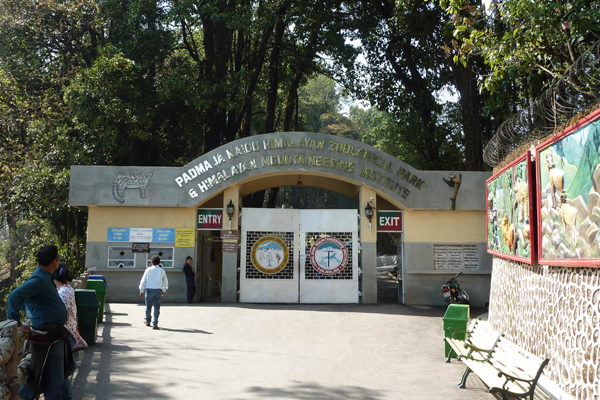
- Padmaja Naidu Himalayan Zoological Park: Located right next to HMI, this highly successful high-altitude zoo is dedicated to conserving endangered Himalayan wildlife. It is one of the best places in the world to actually spot the elusive Red Panda and Snow Leopard.
Best Time to Visit
1. Spring: March to May
As winter recedes, Darjeeling wakes up to beautiful, mild weather. This is widely considered the prime holiday season.
• The Weather: Delightful and comfortable. Daytime temperatures average around 15°C to 25°C, making it perfect for walking around.
• The Highlights: The hillsides come alive with blooming rhododendrons, magnolias, and lush green tea leaves. The skies are generally clear in the mornings, giving you great views from Tiger Hill.
• Keep in Mind: This is the peak tourist season. The Mall Road will be buzzing, and you’ll need to book your hotels and Toy Train tickets well in advance.
2. Autumn: October to November
Once the monsoon rains wash the dust from the air, autumn arrives with unparalleled clarity.
• The Weather: Crisp, fresh, and progressively cooler. Temperatures range from 10°C to 18°C, dropping sharply after sunset.
• The Highlights: If seeing Mount Khangchendzonga is your top priority, this is the absolute best time to visit. The autumn skies are a brilliant, cloudless blue, offering the highest probability of a flawless sunrise at Tiger Hill. It’s also a highly festive time with local celebrations.
• Keep in Mind: October coincides with major holiday seasons in India (like Durga Puja and Diwali), so the town can get incredibly crowded during those specific weeks.
3. Winter: December to February
Winter in Darjeeling is chilly, sharp, and beautifully quiet.
• The Weather: Cold. Temperatures hover between 5°C and 12°C during the day and can drop to 2°C (or lower) at night. While Darjeeling town itself rarely gets snow anymore, high-altitude spots nearby like Sandakphu get heavily blanketed.
• The Highlights: You get the town to yourself. There are no massive tourist crowds, hotel rates drop significantly, and the misty, frosty mornings are incredibly romantic. Sitting by a fireplace with a hot cup of Darjeeling tea is unmatched.
How to Reach Darjeeling
By Air
The nearest airport to Darjeeling is Bagdogra International Airport (IXB), located down in the plains.
- Flight Connectivity: Bagdogra is very well connected with major Indian cities including Delhi, Kolkata, Mumbai, Bangalore, and Guwahati with daily direct flights.
- Onward Journey: From Bagdogra, Darjeeling is about 68 km away. You can easily rent a prepaid taxi or a shared cab right outside the terminal. The drive takes around 2.5 to 3 hours, taking you through beautiful, sprawling tea estates and pine forests.
By Train
The nearest major railhead is New Jalpaiguri Railway Station (NJP) in Siliguri.
- Train Connectivity: NJP is one of the busiest stations in Northeast India. It connects directly to almost all major parts of India (Kolkata, Delhi, Guwahati, Chennai, and Mumbai). High-speed options like the Vande Bharat Express connect Kolkata (Howrah) to NJP in about 7.5 hours.
- Onward Journey: NJP is about 72 km from Darjeeling. Just outside the station, you will find a massive terminal for private taxis, luxury SUVs (Innova, Xylo), and budget-friendly shared jeeps. The drive takes roughly 3 hours.
By Road (The Only Way to Reach the Top)
Whether you land at the airport or arrive at the train station, the final leg of your journey will be by road. There are three main scenic routes that wind up from the plains to Darjeeling:
- The Rohini Route: The most popular, smoothest, and fastest route. It is well-maintained and offers beautiful views of the valley.
- The Pankhabari Route: Very steep with sharp hairpin turns. It passes through gorgeous tea gardens like Ambootia, but is often restricted to one-way traffic.
- The Mirik Route: Longer but incredibly scenic. It takes you via the lake town of Mirik and runs along the Indo-Nepal border. (Perfect if you want to turn your transit into a sightseeing trip!).
Top Places to Visit in Darjeeling
Tiger Hill
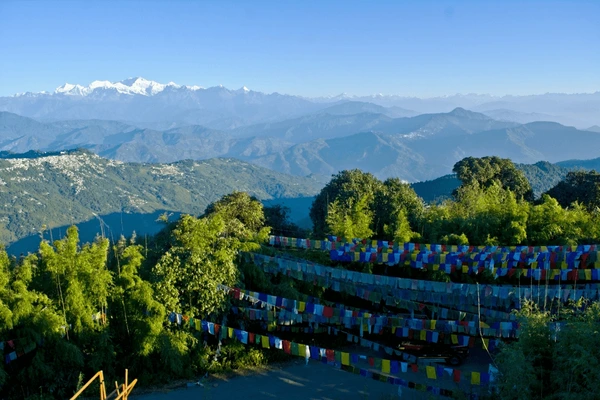
This is Darjeeling’s most iconic experience. Rising early (usually around 4:00 AM) to stand on Tiger Hill is a rite of passage for travelers.
- The Spectacle: On a clear morning, you will watch the sun rise over the horizon, painting the snow-capped peaks of Mount Khangchendzonga and Mount Everest in shifting shades of pink, gold, and brilliant white.
- Pro Tip: Go during autumn (October–November) or spring (March–April) for the highest chance of cloud-free skies.
The Darjeeling Himalayan Railway
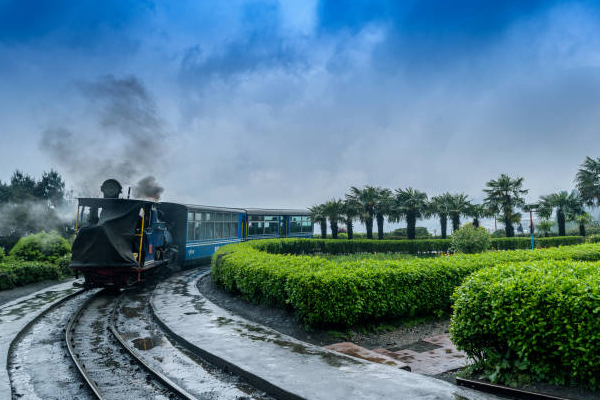
A UNESCO World Heritage Site, this vintage steam engine-driven train has been chugging through the hills since 1881.
- The Batasia Loop: Even if you don’t take the full journey, booking the short “Joy Ride” from Darjeeling to Ghum is a must. The train loops around a beautifully manicured garden at the Batasia Loop, passing a war memorial while offering sweeping views of the town and the mountains.
Chowrasta and The Mall
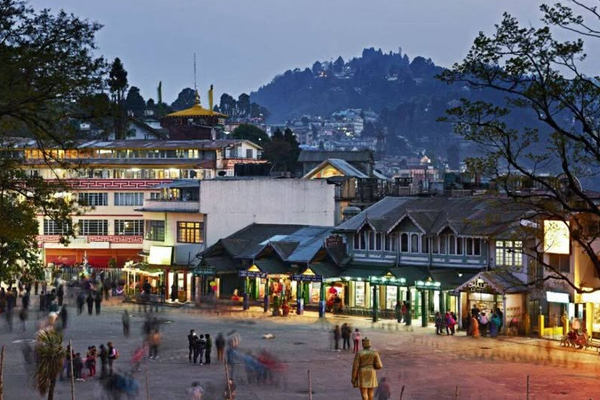
The heart and soul of Darjeeling. The Mall is a pedestrian-only public square where locals and travelers gather to socialize, stroll, and soak in the mountain air.
- The Vibe: Completely free of vehicles, it is lined with quaint colonial-era buildings, bookstores, and cafes.
- Grab a bench, watch the horses carry kids around the square, and head over to the historic Keventer’s for a traditional English breakfast or Glenary’s for fresh pastries and live music.
Happy Valley Tea Estate
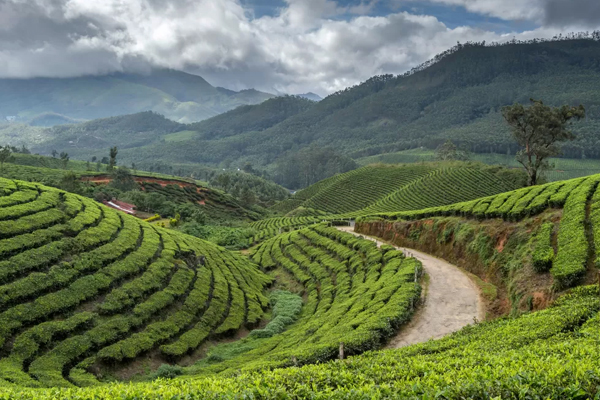
You can’t visit Darjeeling without exploring its world-famous tea heritage. Happy Valley is one of the closest and oldest estates to the town center.
- The Experience: You can walk through the manicured, emerald-green tea bushes, watch the tea pluckers at work, and take a guided tour through the factory to see how the “Champagne of Teas” is processed. Naturally, the tour ends with a wonderful tea-tasting session.
Padmaja Naidu Himalayan Zoological Park & HMI
Unlike standard zoos, this internationally acclaimed high-altitude zoo focuses on conserving endangered Himalayan wildlife.
- Who you’ll meet: It is one of the best places in the world to see the incredibly cute Red Pandas, elusive Snow Leopards, and Tibetan Wolves.
- Himalayan Mountaineering Institute (HMI): Located inside the same complex, this institute was founded by Tenzing Norgay (who summited Everest with Edmund Hillary). It features an incredible museum filled with historic mountaineering gear and artifacts from early Everest expeditions.
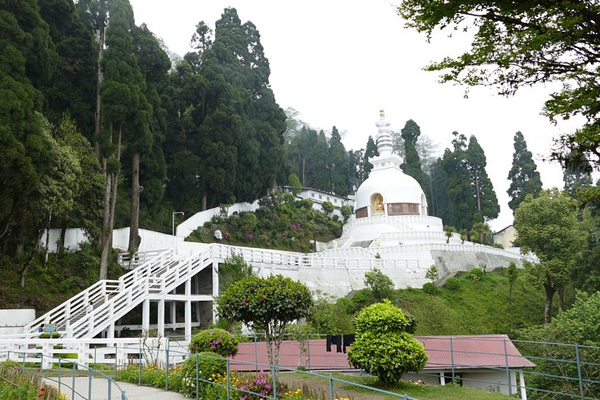
Peace Pagoda and Japanese Buddhist Temple
For a moment of pure serenity, head slightly away from the bustling town center to the Japanese Peace Pagoda. Built under the guidance of a Japanese Buddhist monk, the pristine white structure stands tall against a backdrop of towering pine trees. The panoramic views of Darjeeling town and the mountains from the top deck are spectacular.