Bhutan
The Last Shangri-La: A Comprehensive Guide to Bhutan
Bhutan, often referred to as the “Land of the Thunder Dragon,” is a unique destination that prioritizes Gross National Happiness over Gross Domestic Product. This guide provides essential information for travelers planning to visit this Himalayan kingdom.
Why Visit Bhutan?
Bhutan offers an experience unlike any other destination in the world. Key reasons to visit include:
Pristine Environment
It is the world’s only carbon-negative country, with over 70% of its land covered by forests.
Spiritual Serenity
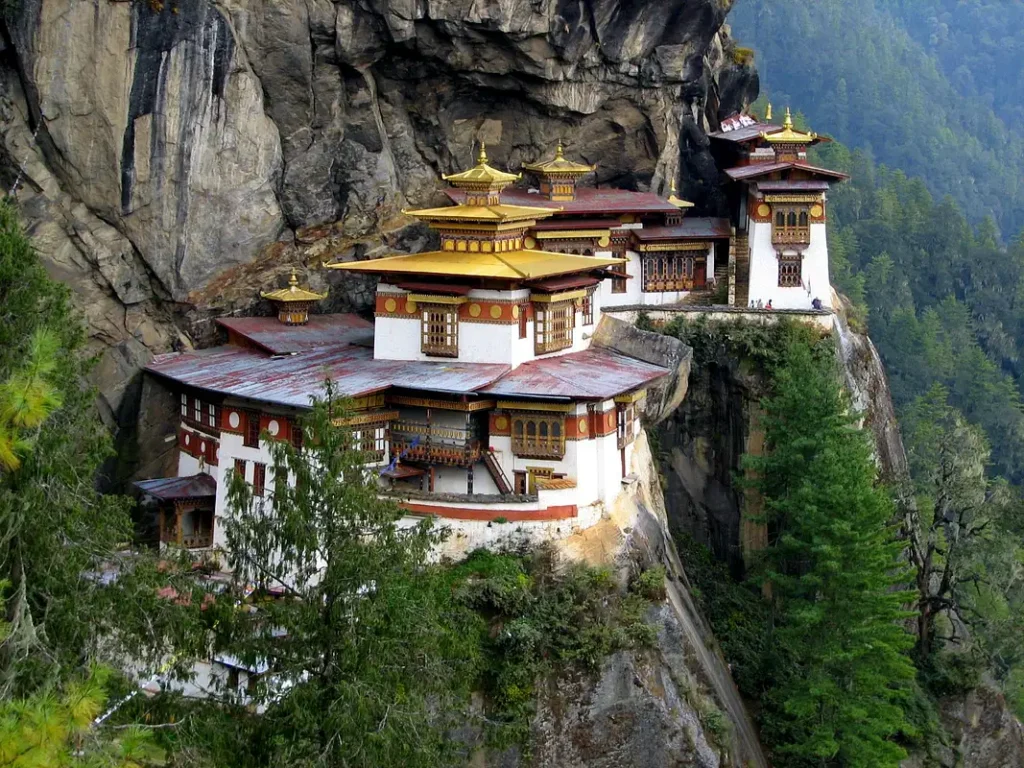
Home to ancient monasteries like the iconic Tiger’s Nest (Paro Taktsang), Bhutan offers a deep sense of peace and Buddhist heritage.
Unspoiled Culture
Unlike many modern destinations, Bhutan has meticulously preserved its traditional architecture, dress, and customs.
Stunning Landscapes
From subtropical plains to steep mountains and deep valleys, the Himalayan scenery is breathtaking.
Best Time to Visit
While Bhutan can be visited year-round, the experience varies significantly by season:
| Season | Months | Highlights |
|---|---|---|
|
Spring |
March – May |
Ideal weather, rhododendrons in bloom, and the famous Paro Tshechu festival. |
|
Autumn |
Sept – Nov |
Clear blue skies, perfect for trekking and seeing the Thimphu Tshechu. |
|
Winter |
Dec – Feb |
Sunny days but cold nights; great for birdwatching (Black-necked Cranes). |
|
Summer |
June – Aug |
Monsoon season with lush greenery and fewer tourists. |
How to Reach Bhutan
By Air
Paro International Airport (PBH) is the only international airport. It is served by the national carrier, Drukair, and Bhutan Airlines. Direct flights are available from cities like Kolkata, Delhi, Bagdogra, Kathmandu & Bangkok.
By Land
Travelers can enter via three border points from India:
● Phuentsholing: The most popular entry point (southwest).
● Gelephu: Central southern entry.
● Samdrup Jongkhar: Southeastern entry, ideal for those visiting eastern Bhutan.
Popular Tourist attractions in Bhutan
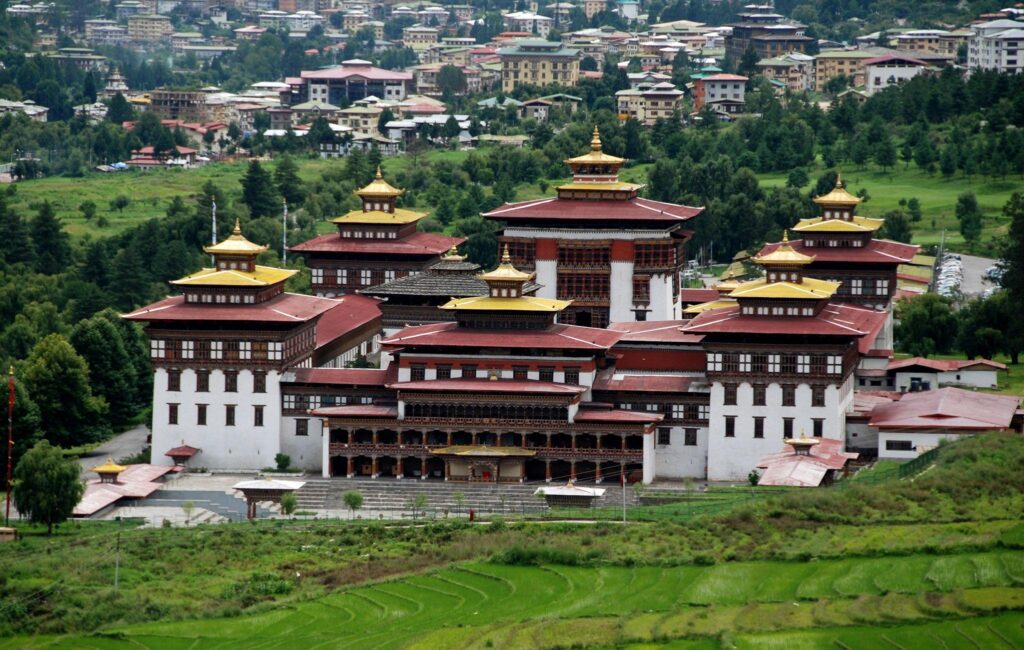
Thimphu:
Buddha Dordenma (Buddha Point)
National Memorial Chorten
Tashichho Dzong
Changangkha Lhakhang
Motithang Takin Preserve
Folk Heritage Museum
Paro:
Paro Taktsang (Tiger’s Nest)
Rinpung Dzong
National Museum of Bhutan (Ta Dzong)
Kyichu Lhakhang
Chele La Pass
Drukgyel Dzong
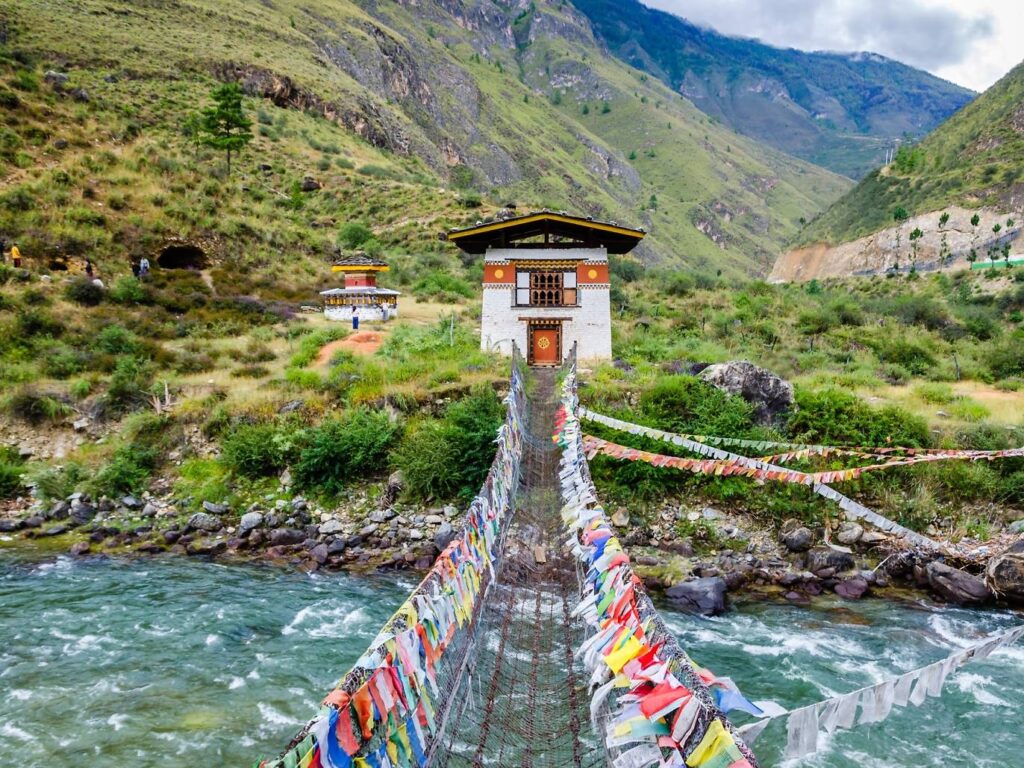
Tachogang Lhakhang Bridge
Paro Airport Bird’s Eye Viewpoint
Punakha:
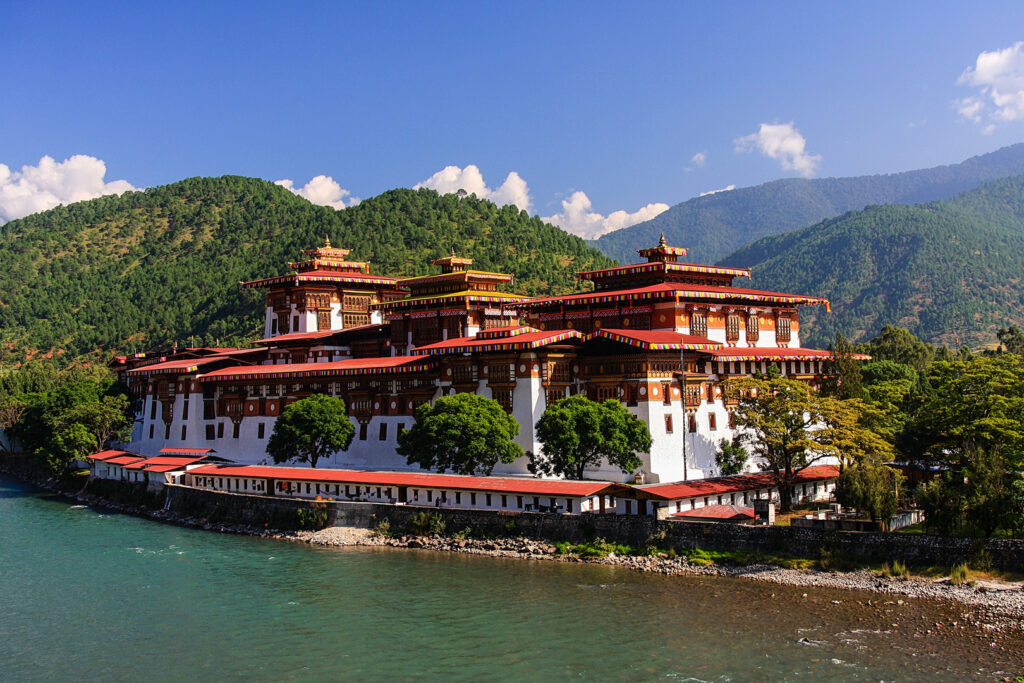
Punakha Dzong (Pungtang Dewa Chhenbi Phodrang)
Punakha Suspension Bridge
Chimi Lhakhang (Fertility Temple)
Khamsum Yulley Namgyal Chorten
Sangchhen Dorji Lhuendrup Nunnery
Mo Chhu and Pho Chhu River Confluence
Dochula Pass (on the way to Punakha)
Phobjika:
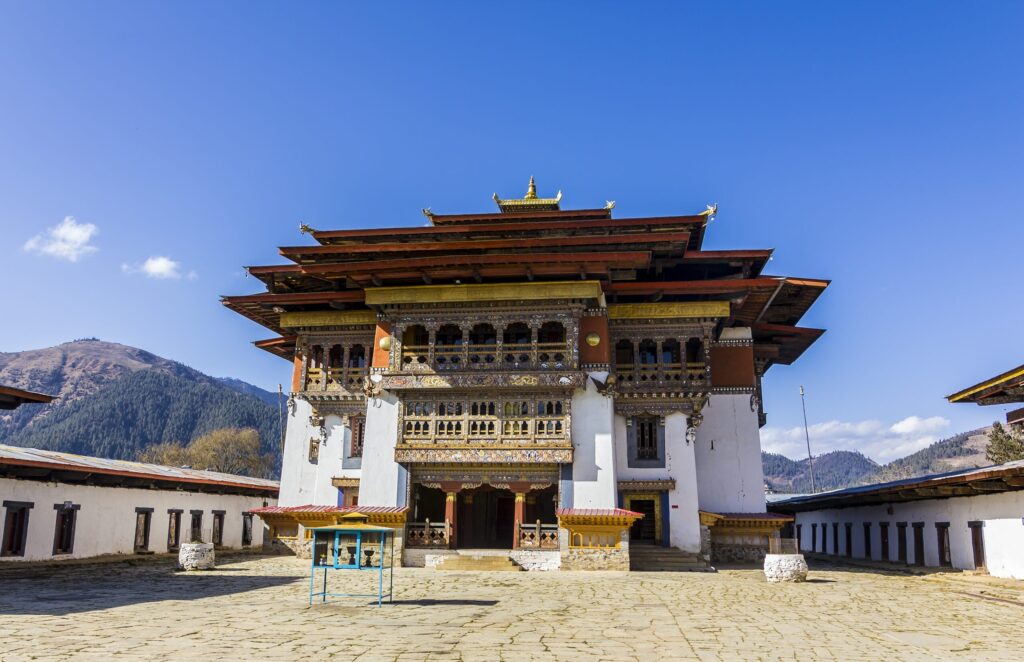
Gangtey Monastery (Gangtey Goempa)
Black-Necked Crane Information Centre
Gangtey Nature Trail
Khewang Lhakhang
Kumbhu Lhakhang
Kuenzang Chholing Shedra
Famous Activities in Bhutan:
Trekking
River Rafting & Kayaking
Mountain Biking
Archery
Bird watching
Unique Cultural Experiences:
Tshechu Festival
Hot stone bath
Cooking classes / lessons (Bhutanese Dishes)
Transport Inside Bhutan
Domestic travel in Bhutan is primarily by road. Common transport options include:
● Private Vehicles: Most tourists travel in comfortable SUVs (like Hyundai Santa Fe or Tucson) or Hiace buses, Coaster buses for larger groups, provided by tour operators.
● Domestic Flights: There are domestic airports in Yonphula (East), Bumthang (Central), and Gelephu (South).
● Public Transport: Local buses and taxis are available in urban areas like Thimphu and Paro, though less common for long-distance tourism.
Sustainable Development Fee (SDF)
Bhutan operates a “High Value, Low Volume” tourism policy. All visitors must pay the Sustainable Development Fee (SDF), which goes toward the country’s social welfare, carbon neutrality, and infrastructure.
● International Tourists: Currently USD 100 per adult per night (with a 50% discount for children aged 6-12).
● Indian Nationals: Currently INR 1,200 per adult per night.
Country, Tradition, and Food
Tradition & Culture
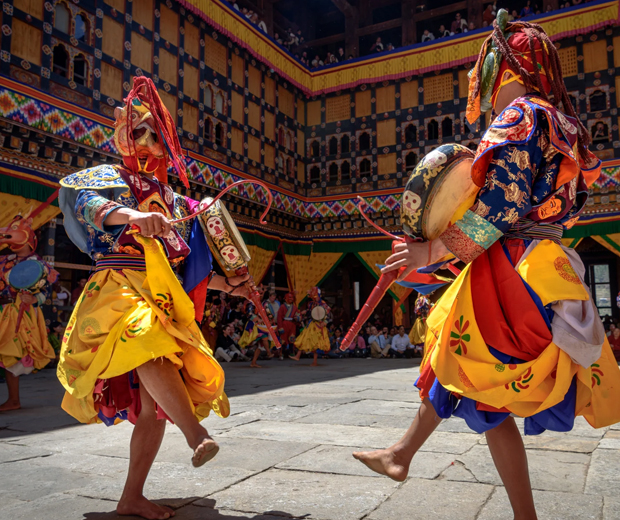
Bhutanese culture is deeply rooted in Vajrayana Buddhism. Men wear the Gho (a knee-length robe) and women wear the Kira (an ankle-length dress). Architecture is strictly regulated to maintain the traditional “Dzong” style.
Cuisine
Bhutanese food is known for its spice. The national dish is Ema Datshi—a fiery mix of chilies and local cheese. Other staples include red rice, Jasha Maru (spicy chicken), and Momos (dumplings).
The Country
Bhutan is a constitutional monarchy. It is divided into 20 districts (Dzongkhags), each with its own administrative and religious center known as a Dzong.